A trustworthy solar installer is licensed, bonded, and insured, pulls its own permits, and builds your production estimate from your actual roof and your past power bills, not a generic average. Ask who performs the work (an in-house crew or a subcontractor), get the workmanship warranty and the equipment warranty in writing, and confirm the price against the national average of roughly $2.58 per watt before incentives. Any "sign today or lose the deal" line is a red flag, not a discount.
Key takeaways
- Verify the license, bond, and insurance before you talk price, and ask for the contractor license number so you can check it yourself.
- Find out whether an in-house crew or a subcontractor installs the system, and who honors the workmanship warranty afterward.
- Ask how the production estimate was built. A real one uses your roof, your shading, and 12 months of your usage.
- Separate the workmanship warranty (the installer's labor) from the equipment warranty (the manufacturer's hardware). They are not the same.
- Treat a 'today only' price as a pressure tactic. A fair quote is still fair next week.
- Why one bad pick follows you for decades
- First question: license, bond, and insurance
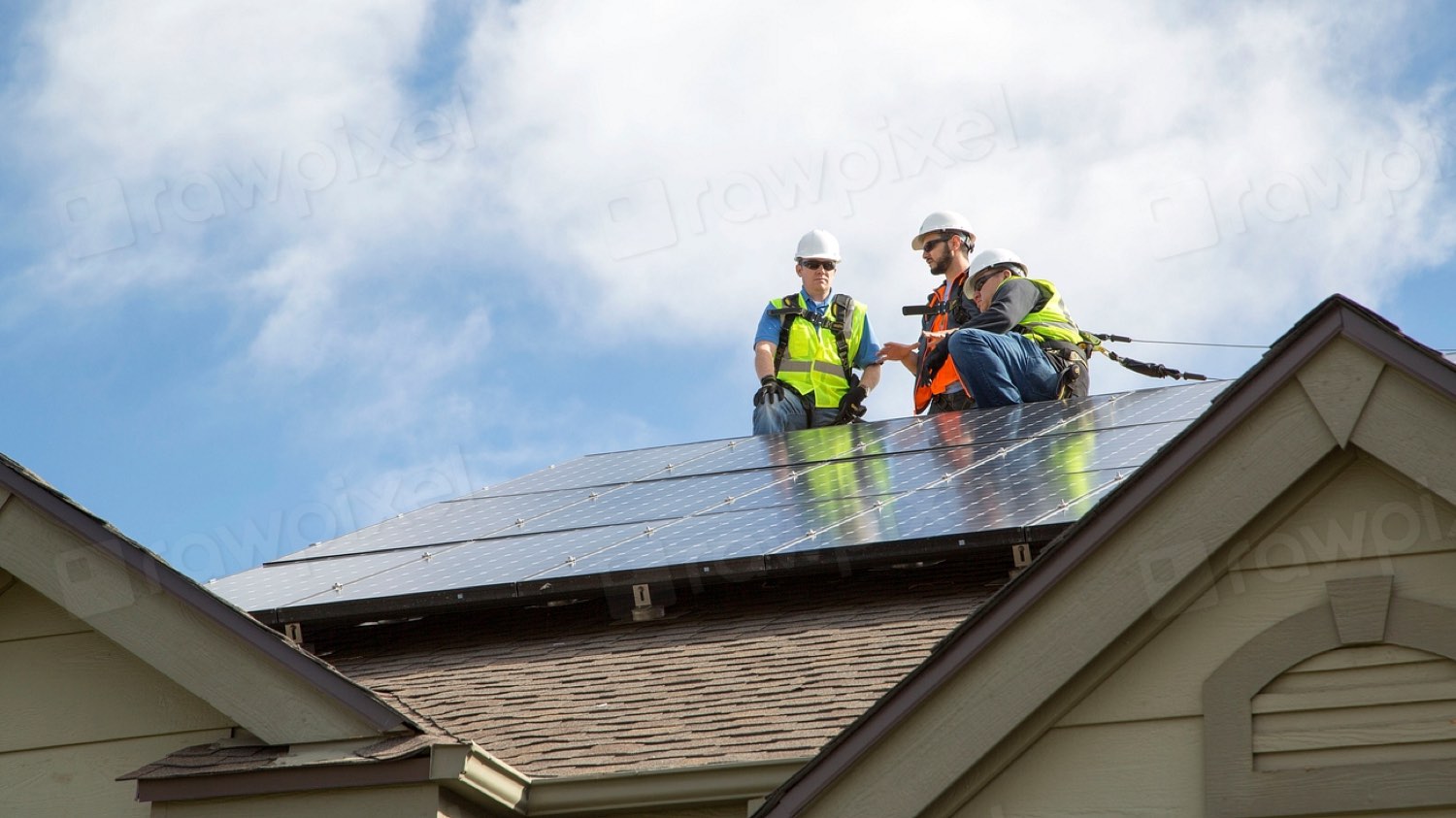
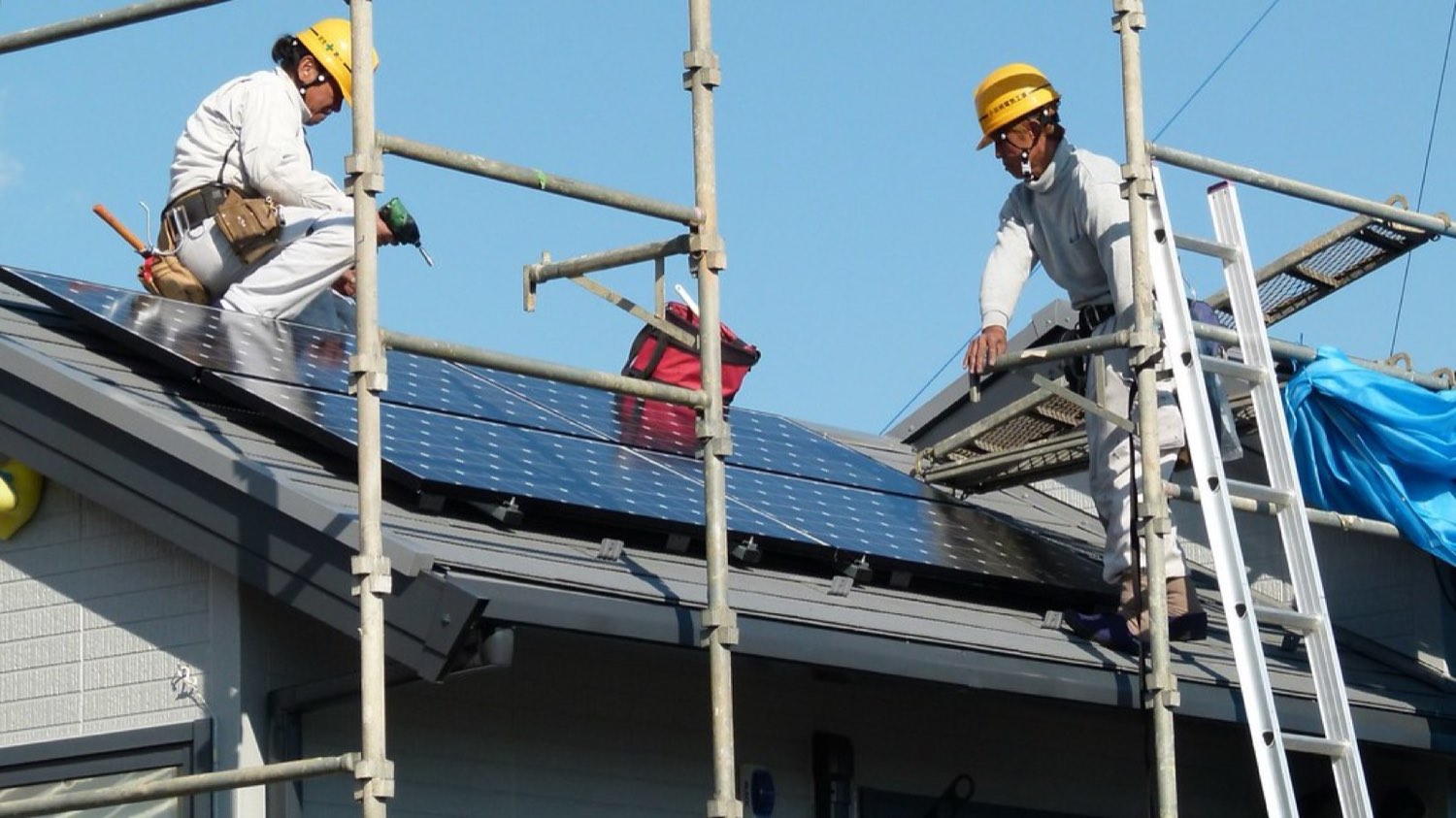
- Who actually shows up on your roof
- How the production estimate was built
- Workmanship warranty versus equipment warranty
- The 'today only' price, decoded
- The questions to ask before you sign
- Green flags and red flags at a glance
- Red flags that should end the conversation
- How Enact takes the guessing out of vetting
Three solar quotes landed in your inbox this week. One salesperson keeps typing "today only" next to the price. Another sent a number that sounds too good to question. The third went quiet the moment you asked who pulls the permit. Solar is a 25-year decision, and the company you hire has to still answer the phone in year 12 when an inverter quits. The questions below separate a real installer from someone running a script.
Why one bad pick follows you for decades
A solar array is bolted through your roof and wired into your main electrical panel. If a crew flashes a mount wrong, you may not find the leak until the next long rain. If the company that installed it disappears, the workmanship warranty disappears too. The U.S. Department of Energy frames going solar as a long-term investment that rises or falls on proper installation and a clear contract, not just the panel brand on the box. DOE's Homeowner's Guide walks through the paperwork most pressure sellers skip past.
Pressure selling works because the math rewards a fast signature. Rush the decision and you skip the step where you compare what each company assumed. Two quotes can name the same panel and still differ by thousands of dollars once you read how each one estimated production, financing, and labor. Slow down. The good installers expect you to.
First question: license, bond, and insurance
Before price, before panel brand, ask for three things: the contractor license number, proof of a bond, and a current certificate of insurance. A licensed installer is registered with your state and accountable to it. A bond protects you if the work is abandoned. General liability and workers' compensation insurance protect you if someone is hurt on your property or the install damages your home.
Consumer Reports points buyers toward installers who are licensed, insured, and willing to put their credentials in writing rather than wave them away.
A dependable solar contractor should carry the proper licensing and insurance, pull the required permits, and base its savings estimate on your home's specifics instead of a one-size number, according to guidance summarized by Consumer Reports.
Consumer Reports - Solar Panels
Here is the part most homeowners forget: take the license number and check it. Your state licensing board lets you confirm the license is active and look for complaints. A company that hesitates to hand over a number it knows you can verify has told you something useful.
Who actually shows up on your roof
Ask one blunt question: "Does your own crew install this, or do you subcontract it out?" Both models exist, and a subcontracted install can still be done well. The risk is not the word subcontractor. The risk is a gap in accountability when nobody owns the result.
If the work is subcontracted, ask who you call when a panel underperforms in year three. Ask whether the salesperson's company or the subcontractor honors the workmanship warranty. Ask if the same crew handles the electrical tie-in or whether a separate electrician shows up on a different day. You want one clear answer to "who is responsible," not a shrug that bounces you between two phone numbers.
In-house crews tend to give you a single point of contact from quote to commissioning. That continuity matters most years later, when the salesperson has moved on and you need someone who knows your specific roof.
There is a second tell here. Ask how long the crew has worked together and how many installs like yours they finished last year. A team that has put up dozens of systems on roofs like yours will spot the awkward rafter or the marginal panel placement before it becomes a callback. A crew assembled for the week often will not. You are not being rude by asking. You are buying labor, and labor is most of what can go wrong.
How the production estimate was built
The production estimate is the number that sells the system, and it is the easiest number to inflate. A real estimate starts with your address, your roof's pitch and orientation, the shade from your trees and chimney, and ideally 12 months of your own electric bills. A lazy estimate starts with a regional average and works backward to a payback figure that closes the sale.
So ask directly: "How did you calculate my annual production, and what shading did you account for?" The DOE notes that real output depends on orientation, tilt, temperature, and shading, which is why two identical systems on two different roofs produce different amounts. DOE's performance overview explains why a generic number rarely matches reality.
Sanity-check the price the same way. The national average runs around $2.58 per watt before incentives, per EnergySage. A quote far below that may be cutting corners on equipment or labor. A quote far above it should come with a reason you can name. And the federal residential clean energy credit can offset a share of the cost, so confirm any figure a salesperson quotes against the IRS rules rather than their slide.
Workmanship warranty versus equipment warranty
These are two different promises from two different parties, and pressure sellers blur them on purpose. The equipment warranty comes from the manufacturer and covers the panels and the inverter hardware. The workmanship warranty comes from the installer and covers the labor: the mounting, the flashing, the wiring, the roof penetrations.
Workmanship warranties commonly run somewhere between 10 and 25 years, and they vary a lot by company. A long manufacturer warranty means little if the installer's labor guarantee is two years and the company may not be around to honor it. Ask for both warranty terms in writing. Then ask the question that exposes the weak point: "If my roof leaks at the mount in year eight, who pays to find and fix it?"
If the answer involves the installer pointing at the manufacturer, or the manufacturer pointing back at the installer, you have found the gap before it cost you a ceiling. Read the fine print on what voids each warranty too. Some manufacturer warranties require certified installation, which means a sloppy crew can quietly cancel the hardware coverage you paid for. Ask the installer to confirm in writing that their work keeps the equipment warranty intact.
The "today only" price, decoded
A real installer prices a system on equipment, labor, permits, and your roof. None of those costs vanish at midnight. When a salesperson says the price is good "today only," they are not offering a discount. They are trying to remove the time you would use to compare quotes, which is the one thing that protects you.
Financing deserves the same skepticism. A low monthly payment can hide a long term, a balloon, or a dealer fee folded into the loan. EnergySage's solar loan guide explains how the same system can cost very different amounts depending on the loan structure behind the payment. Ask for the total cost, the interest rate, the term, and any origination or dealer fee in writing before you compare anything.
One more check: the electricity rate the salesperson assumes for your future savings. If their projection uses a sky-high rate that climbs every year, the savings look bigger than they will be. Average U.S. residential electricity prices are published by the EIA, so you can see whether their starting number is honest.
The questions to ask before you sign
Copy these into your reply to each of those three salespeople. The answers, side by side, tell you almost everything.
- What is your state contractor license number, and may I verify it with the licensing board?
- Can you send a current certificate of insurance and proof of bonding?
- Does your own crew install the system, or is it subcontracted? Who honors the workmanship warranty?
- How did you calculate my annual production, and what shading and usage data did you use?
- What is the workmanship warranty term, and what is the equipment warranty term, in writing?
- If my roof leaks at a mount years from now, who diagnoses and pays for the repair?
- What is the all-in price per watt, and how does it compare to the national average?
- If I am financing, what is the total cost, the rate, the term, and any dealer fee?
- Can you share three local references from installs at least two years old?
- Will you put this quote in writing with no expiration pressure?
Green flags and red flags at a glance
| What you are checking | Green flag | Red flag |
|---|---|---|
| Pricing | All-in price per watt near the regional norm, in writing | "Today only" price with a countdown |
| Crew | In-house crew or a named subcontractor with clear accountability | Vague answer about who installs and who is responsible |
| Production basis | Estimate built from your roof, shading, and 12 months of bills | A round number pulled from a regional average |
| Warranty | Workmanship and equipment terms both in writing | "It's all covered," with no document to back it |
| License and insurance | License number and certificate of insurance shared on request | Credentials waved away or "I'll send them later" |
| References | Multiple local installs you can actually call | No references, or only out-of-state ones |
| Financing | Total cost, rate, term, and fees disclosed up front | Only a monthly payment, no total or rate |
Red flags that should end the conversation
Some warning signs are not deal-points to negotiate. They are reasons to close the tab.
- Door-to-door urgency. "Your neighbors signed up, the program ends Friday" is a script, not a deadline. Real incentives have public rules you can read.
- A blank or expiring license. If the number does not check out with your state board, nothing else they say matters.
- Production numbers with no inputs. If they cannot tell you what shading or usage they assumed, the estimate is decoration.
- Pressure to sign before you compare. The whole point of three quotes is comparison. Anyone trying to deny you that is protecting their margin, not your roof.
- Verbal warranties only. A promise that is not in the contract does not exist. If it is not written, it will not be honored.
- A finance payment with no total. A monthly figure without the rate, term, and fees is hiding the real cost of the loan.
One honest red flag overrides ten reassurances. Trust the warning sign over the charm.
How Enact takes the guessing out of vetting
The hard part of this whole process is that every quote uses different assumptions, so you end up comparing three documents that do not line up. That is the gap Enact closes. Enact connects homeowners with vetted local installers and standardizes proposals so the assumptions behind each one are documented, which makes a side-by-side comparison possible instead of a guess. You can see the production basis, the pricing, and the terms in a consistent format. Start with the Enact homeowner hub and the residential solar overview to see how a standardized proposal lays out the same questions this article tells you to ask. The pressure seller's advantage is confusion. Remove the confusion and the "today only" line loses its power.
Frequently asked questions
How do I know if a solar installer is legit?
Ask for the contractor license number, a certificate of insurance, and proof of bonding, then verify the license with your state board yourself. A legit installer pulls its own permits and bases your production estimate on your roof and usage rather than a generic average, which is the standard Consumer Reports and the DOE describe.
Should I get multiple solar quotes?
Yes. Three quotes let you compare price per watt, production assumptions, and warranty terms side by side, which is exactly what a "today only" price is designed to prevent. Use the national average of about $2.58 per watt before incentives from EnergySage as your sanity check, and lean on a standardized proposal so the quotes actually line up.
What questions should I ask a solar installer?
Ask who installs the system and who honors the workmanship warranty, how the production estimate was calculated, and what the workmanship and equipment warranties cover in writing. Also confirm the all-in price and, if financing, the total cost and rate, since a low monthly payment can hide a long term per EnergySage's loan guide.
What is the difference between a workmanship warranty and an equipment warranty?
The equipment warranty comes from the manufacturer and covers the panels and inverter hardware. The workmanship warranty comes from the installer and covers the labor, including mounting, flashing, and roof penetrations, which is why a leak at a mount falls under workmanship. Get both terms in writing, because proper installation is what the DOE ties long-term performance to.
Is a 'today only' solar price a scam?
It is a pressure tactic, not a real deadline. The cost of equipment, labor, and permits does not change overnight, so an artificial expiration exists only to stop you from comparing quotes. A fair price holds next week, and you can confirm any savings math against published EIA electricity rates and the IRS credit rules.
Does it matter if the installer uses subcontractors?
It can, if accountability is unclear. A subcontracted install can be done well, but you need to know who honors the workmanship warranty and who you call years later when something underperforms. A platform that connects you with vetted local installers and documents the proposal details makes that accountability easier to confirm before you sign.
Sources
See your real numbers
Enact builds proposals from your actual roof and utility data — so the savings you see are the savings you get. Get a free, no-pressure design.
Get a Free Solar Proposal