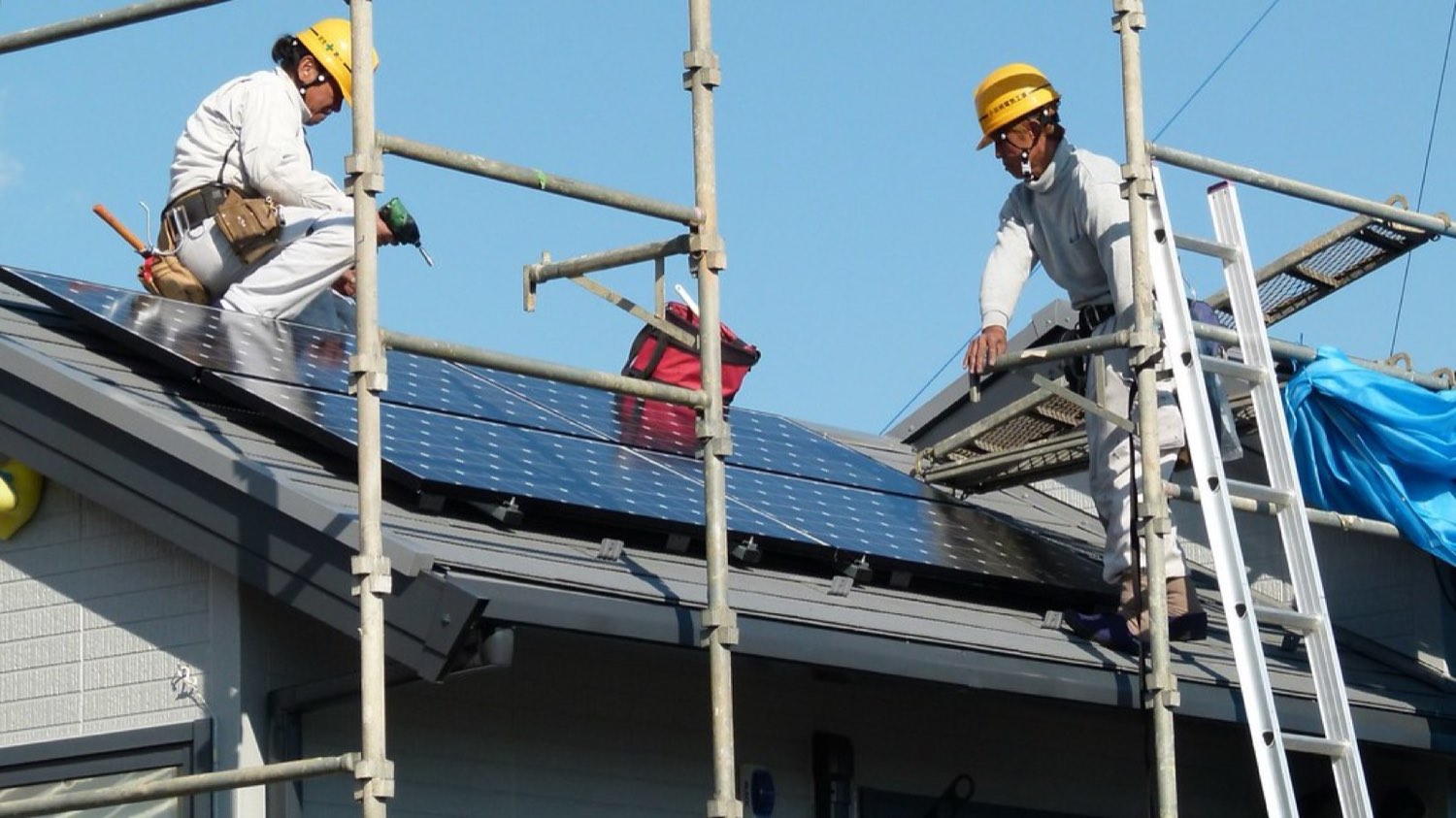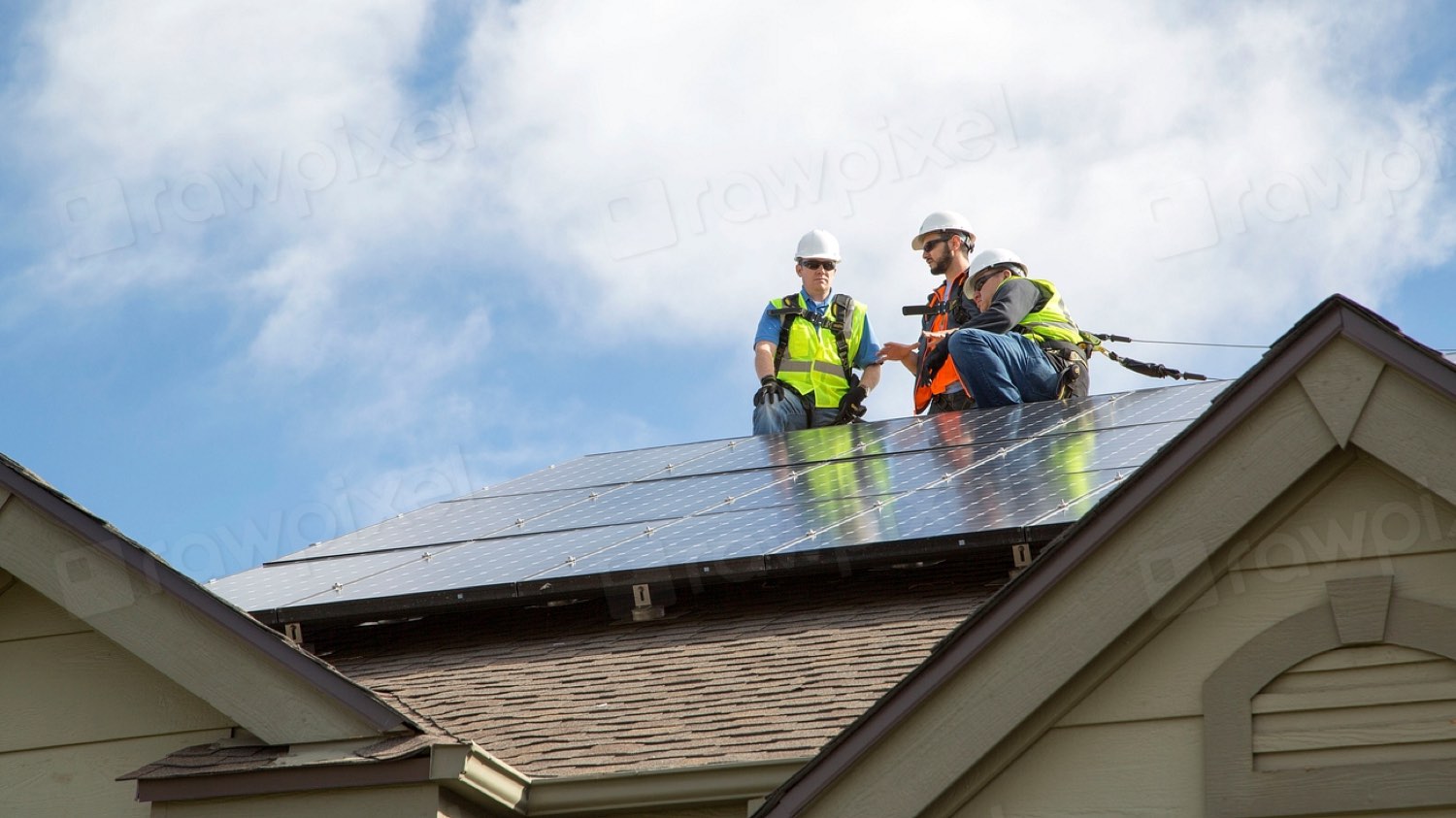
Go in this order: seal and insulate, then add solar, then a heat pump plus heat-pump water heater, then induction, then an EV and charger. Solar belongs early because it turns the electricity those later appliances draw into something you make on your roof instead of buy. Size the array for future loads now. An EV alone can add roughly 2,500 to 4,000 kWh per year, and a heat pump runs two to four times more efficiently than electric resistance heat, so the panels you install today should cover loads you do not have yet.
Key takeaways
- Sequence matters: shrink the load first (air sealing, insulation), then build supply (solar), then swap appliances.
- Add solar before the big electric appliances so heat pump and EV power comes from your roof, not the grid.
- Size the array for future loads. An EV adds about 2,500 to 4,000 kWh a year, a heat pump adds winter demand.
- Heat pumps move heat instead of making it, running two to four times more efficiently than electric resistance heating.
- The 30% Residential Clean Energy Credit covers solar and battery. Heat pumps and efficiency upgrades have separate federal credits.
- Why the order of electrification saves money
- Shrink the load before you size the supply
- Why solar early makes every later appliance cheaper
- How to size solar for loads you do not have yet
- The five-step sequence, with rough impact
- Heat pumps and heat-pump water heaters
- EVs, chargers, and the extra solar they need
- Electrification readiness checklist
- Sequencing mistakes that cost money
- Building the plan with Enact
Why the order of electrification saves money
Going all-electric is not one purchase. It is a chain of upgrades a family makes over several years, and the order you make them in changes the total bill. Do it backward and you pay twice: oversize an air conditioner before you insulate, or buy solar sized only for today and find it falls short the year you plug in a car. Do it in the right order and each step makes the next one smaller, cheaper, or both.
The principle is simple. Reduce how much energy the house needs, then produce the energy on site, then switch the things that burn gas over to that clean supply. Most homeowners flip the middle steps or skip the first one. The result works, but it costs more than it had to.
Shrink the load before you size the supply
The cheapest kilowatt-hour is the one you never use. Before any panel goes on the roof, seal the air leaks and add insulation. A drafty attic and leaky ductwork force a heating system to run harder, which means a bigger heat pump later and a bigger solar array to feed it. Sealing first shrinks all three numbers at once.
This step rarely feels exciting. It is hidden behind walls and it does not come with an app. But it sets the size of everything downstream. A tighter house can often use a smaller heat pump, and a smaller heat pump pulls fewer kilowatt-hours, which means fewer panels. The U.S. Department of Energy's homeowner's guide to going solar makes the same point: efficiency improvements lower the system size you need to buy. Spend here first and every later quote comes in lower.
Start with an energy audit. A blower-door test finds the leaks you cannot feel, and a thermal scan shows where insulation is thin or missing. Air sealing the attic and basement, then topping up insulation, is usually the highest-return work in the whole project. It also makes the house more comfortable right away, before a single panel or appliance arrives.
Why solar early makes every later appliance cheaper to run
Here is the part people get wrong. They treat solar as the last reward after the appliances are swapped. Put it earlier. Every electric appliance you add after the panels are live runs partly or fully on power you generate instead of power you buy.
Think about what electrification does to a home's electric bill. A gas furnace, gas water heater, gas stove, and gasoline car move to the electric meter. Your electricity use climbs, and so does exposure to whatever your utility charges. The average U.S. residential electricity price is tracked by the Energy Information Administration, and it has trended up over time. Solar fixes the cost of a big chunk of that supply for 25 years or more. If you install solar after the heat pump and the EV, you spend a year or two buying all that new demand at retail rates. Install it before, and the heat pump's first winter and the car's first road trips draw on the roof.
There is a financial sweetener too. The 30% Residential Clean Energy Credit applies to solar and battery storage, described by the IRS. Heat pumps, heat-pump water heaters, insulation, and other efficiency work fall under separate federal credits, outlined by ENERGY STAR. The two tracks stack across the project, so the early solar credit does not cancel the later appliance credits.
How to size solar for loads you do not have yet
If you size an array to last year's bill, it will be too small the day you electrify. This is the most common sizing error, and it is the most expensive to fix because adding panels later often means new permits, a possible inverter swap, and a second crew visit.
The fix is to design for the house you are building toward, not the one you have. Add up the loads you plan to bring on:
- Heat pump for space heating: winter demand that electric resistance backup would multiply, so efficient sizing matters.
- Heat-pump water heater: a steady year-round draw, modest but real.
- Induction range: small in annual kilowatt-hours, large in daily convenience.
- EV charging: often the single biggest new load, roughly 2,500 to 4,000 kWh a year depending on miles driven.
Sum those onto your current usage and size the array to the future total. A battery can hold midday solar for the evening heat-pump and EV-charging hours, when the sun is down and rates are often highest. Designing the roof layout and electrical panel for the full plan now, even if you stage the panel additions, keeps the later steps from triggering an expensive redo.
The five-step sequence, with rough impact
The table below lays out the order, what each step does, why it sits where it does, and what it depends on. Treat the impact column as direction, not a quote. Your house, climate, and rates set the real numbers.
| Step | Rough impact | Why this order | Depends on |
|---|---|---|---|
| 1. Seal and insulate | Cuts heating and cooling demand, shrinks everything after it | Sets the size of the heat pump and the array | Nothing, do it first |
| 2. Solar (and battery) | Fixes the cost of a large share of future electricity for 25+ years | Should be live before big electric loads arrive | Roof and panel assessment, future load estimate |
| 3. Heat pump + heat-pump water heater | 2 to 4x more efficient than electric resistance heat | Largest gas-to-electric swap, best fed by solar | Tighter envelope, adequate electrical service |
| 4. Induction range | Small annual kWh, removes combustion in the kitchen | Easy swap once a circuit is available | 240V circuit, panel capacity |
| 5. EV + charger | Adds ~2,500 to 4,000 kWh/yr | Biggest new load, cheapest when solar already covers it | Panel capacity, charger circuit, oversized array |
You do not have to finish in a year. Many families stretch this across three to five years as budgets and old appliances allow. The order holds even when the timing slips.
Heat pumps and heat-pump water heaters
A heat pump is the centerpiece of an all-electric home. It does not burn fuel and it does not make heat the way a toaster does. It moves heat from one place to another, which is why it can deliver several units of heating for each unit of electricity it draws. The Department of Energy puts it plainly.
Because heat pumps move heat rather than generate it, they can run far more efficiently than electric resistance heating systems such as furnaces and baseboard heaters.
U.S. Department of Energy, Heat Pump Systems
That efficiency, often two to four times that of resistance heat, is exactly why the heat pump should land after the envelope work and after solar. A tighter house lets you buy a right-sized unit. Solar already on the roof means its winter electricity comes from your own generation and stored battery power. Pair it with a heat-pump water heater, which uses the same move-heat trick for hot water, and two of the home's largest gas loads disappear at once.
EVs, chargers, and the extra solar they need
An electric car is usually the largest single load a home adds. A rough planning range is 2,500 to 4,000 kWh a year, depending on how far you drive and how efficient the vehicle is. That is a meaningful jump on top of a heat pump. It is also the load that benefits most from solar already being in place, because charging is flexible. You can schedule it for midday on a sunny day or for the overnight hours when a battery feeds the charger from stored solar.
Plan the electrical side early. A Level 2 charger needs a 240V circuit and panel capacity, the same scarce resource the heat pump and induction range compete for. Knowing the car is coming lets you set up the panel once instead of upgrading it twice. And the kilowatt-hours the car will need are the clearest reason to oversize the array in step two rather than sizing it to today's bill.
Electrification readiness checklist
Before you spend on the first big step, walk through this. It surfaces the dependencies that trip people up.
- Has an energy audit found the air leaks and insulation gaps worth fixing first?
- Do you have a written list of every gas appliance and vehicle you plan to electrify?
- Have you estimated the future kilowatt-hours those swaps will add, especially the EV?
- Is the solar array being sized for that future total, not last year's bill?
- Does the electrical panel have room for a heat pump, induction range, and EV charger circuit?
- Have you checked which federal credits apply to solar versus to the appliances?
- Is there a roof and battery layout that supports adding panels in stages without a redo?
- Do you have a realistic year-by-year budget so the order does not get scrambled by a sudden breakdown?
Sequencing mistakes that cost money
A few errors show up again and again. Each one is avoidable with a plan.
- Solar last. Buying the heat pump and EV first means a year or two of new demand at full retail rates before the panels arrive. Flip it.
- Sizing solar to today. An array matched to your current bill falls short the day you electrify. Adding panels later often means fresh permits and a second crew. Size for the future total up front, as the DOE guide advises.
- Skipping the envelope. Insulating after you buy the heat pump means you bought a bigger unit than you needed and built a bigger array to feed it.
- Ignoring panel capacity. Heat pump, range, and charger all want a circuit. Discover the panel is full mid-project and you pay for a rush upgrade.
- Replacing in a crisis. When a gas furnace dies in January, most people grab the fastest like-for-like swap. Plan the heat pump before the old unit fails so you are not cornered.
Building the plan with Enact
The hard part of this whole sequence is the math that links the steps: how big the array has to be to cover a heat pump and a car you have not bought yet. Guessing low is the costly mistake. Enact's free homeowner proposal sizes a solar system for future loads, including an EV and a heat pump, so the array you install today is built for the all-electric home you are growing into, not just the bills you have now.
You can model the residential solar design, see production estimates against your projected usage, and weigh battery storage for the evening hours when the heat pump and charger run hardest. That turns the order described here into a concrete plan with numbers attached, which is what keeps a multi-year electrification project on budget. Start with the load, design the supply for the future, and let each upgrade ride on power you already make.
Frequently asked questions
Should I get solar before or after a heat pump?
Before, in almost every case. A heat pump is one of the largest electric loads you will add, and if solar is already live, its electricity comes from your roof instead of the grid. Installing solar after the heat pump means paying retail rates for that new demand for a year or more. Just be sure the array is sized to include the heat pump's winter load, as the DOE homeowner's guide to going solar recommends.
How much extra solar does an EV need?
Plan for roughly 2,500 to 4,000 kWh a year of added load from a single EV, depending on your annual mileage and the car's efficiency. That is often the biggest new draw in an all-electric home, so it is the clearest reason to oversize the array up front rather than adding panels later. Enact can fold the EV into the free proposal so the system covers it from day one.
Do I really need to insulate before adding solar?
It pays to seal and insulate first because it shrinks every later cost. A tighter house needs a smaller heat pump and fewer panels to run it. Spend on the envelope before the array and the solar quote comes in lower. The DOE guide notes that efficiency improvements reduce the system size you need.
Are heat pumps really more efficient than my old electric heat?
Yes, typically two to four times more efficient than electric resistance heating. A heat pump moves existing heat rather than generating it, so it delivers several units of warmth per unit of electricity. The U.S. Department of Energy explains the difference, and that efficiency is why a heat pump fed by solar is so cheap to run.
Can I claim tax credits for both solar and a heat pump?
Yes, they fall under separate federal credits that can both apply across your project. The 30% Residential Clean Energy Credit covers solar and battery storage, per the IRS. Heat pumps, heat-pump water heaters, and efficiency upgrades have their own credits, described by ENERGY STAR. Check current limits before you file.
What if I can only afford one upgrade a year?
Stretch it out, but keep the order: seal and insulate, then solar, then heat pump, then induction, then EV. The sequence holds even on a slow timeline, and each step makes the next cheaper. Sizing the solar for your full future plan early is what keeps the staged approach from forcing a costly redo. Enact's residential solar proposal can model that future total now.
Sources
- DOE - Heat Pump Systems
- DOE - Homeowner's Guide to Going Solar
- DOE - Solar Energy Technologies Office
- IRS - Residential Clean Energy Credit
- ENERGY STAR - Federal Tax Credits
- ENERGY STAR - Solar Energy Systems Tax Credit
- EIA - Average price of electricity (FAQ)
- Enact - Free Homeowner Proposal
- Enact - Residential Solar
See your real numbers
Enact builds proposals from your actual roof and utility data — so the savings you see are the savings you get. Get a free, no-pressure design.
Get a Free Solar Proposal